

Products
supplied and installed by SoundGood.
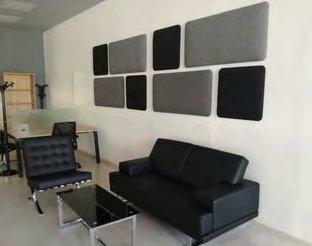
Fabric Rub Panels
Rectangular acoustic panels with squared edges, fully enclosed in high-quality fabric. They eliminate noise reflections, reduce reverberation and create a better acoustic environment.
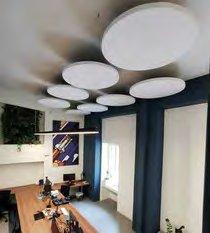
Acoustic Circle Panels
Circular sound-absorbing panels with a clear rectangular cross-section, designed for high absorption across the sound spectrum while visually and acoustically enhancing personal workspaces.
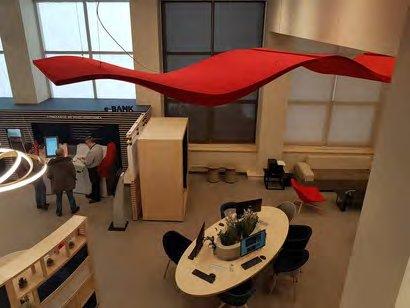
Acoustic Wavy Panels
Wave-shaped acoustic clouds with a unique concave and convex design, inspired by ocean waves. Framed in steel and wrapped in acoustically transparent fabric to maximise absorption in specific acoustic ranges.
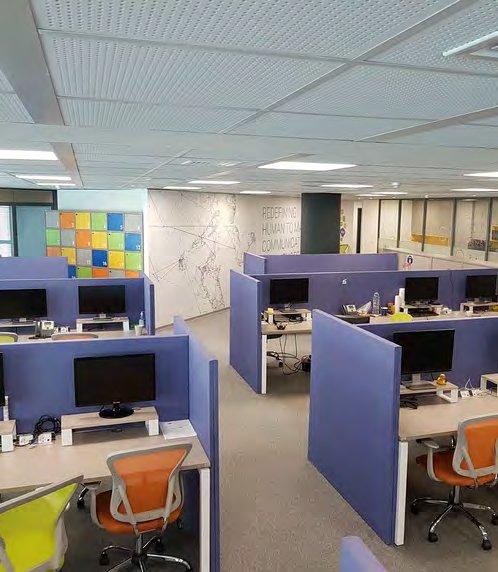
Desk Divider
Sound-absorptive acoustic partitions with squared edges designed for office desks — a flexible solution to acoustic problems in open-plan offices that improves the working environment.
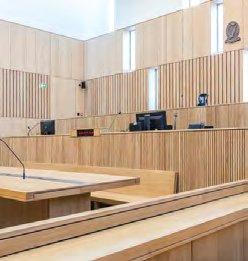
Wood Acoustic Panels
Wooden sound-absorptive panels that enhance a hall's acoustics, available in various types and perforations to meet diverse architectural needs.
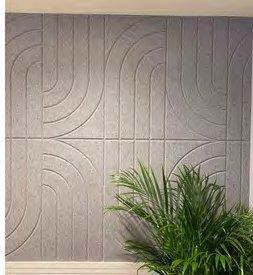
Felt Acoustic Panels
Light, semi-rigid PET-fibre acoustic panels with a minimal aesthetic. Easy to install, safe and non-toxic, made from recycled materials and suitable for LEED-targeting buildings.
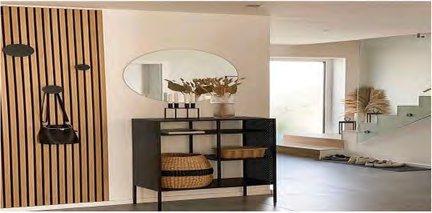
Slatted Wood Panels
Slatted wood panels with a polyester fibreboard base and attached wooden strips — ideal for furniture and interior design, enhancing aesthetics while offering effective sound absorption.
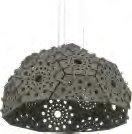
Acoustical Pendant Lighting
A harmonious blend of functionality and aesthetics — pendant lights crafted from acoustic material that provide lighting together with sound absorption.
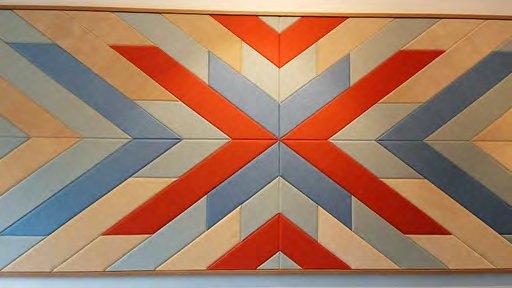
Stretch Fabric Wall Panels
A track-based system that significantly alters the acoustics of a room without bulky hanging panels or extensive renovations — quickly covering large areas with acoustically transparent fabric.
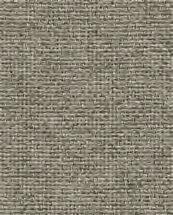
SoundGood Fabric
Plain-weave panel fabric in a wide range of commercial colours, used for wall coverings, desk screens and acoustic panels. Acoustically transparent, making it an ideal decorative facing for sound-absorbing boards.
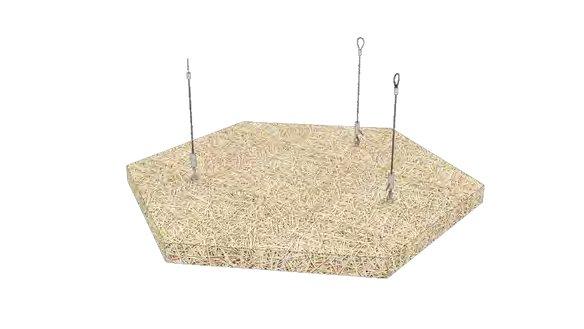
Wood Wool Canopies
Acoustic canopies made from durable, eco-friendly wood wool and cement. FSC and PEFC certified, with fire safety, superior acoustic and heat insulation, and moisture absorption without warping.

Acoustic Vertical Baffles
Rectangular or wavy sound-absorbing panels suspended vertically from the ceiling in parallel lines, as defined by an acoustic study. Both sides absorb sound, reducing reflections and echo without interfering with air-conditioning or lighting.
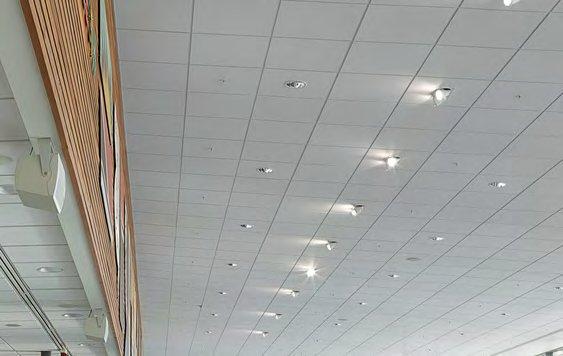
Fiberglass Tiles
Ceiling tiles that provide effective sound absorption and insulation and enhance sound quality, with a sleek modern appearance — ideal for offices, residential spaces and public areas.
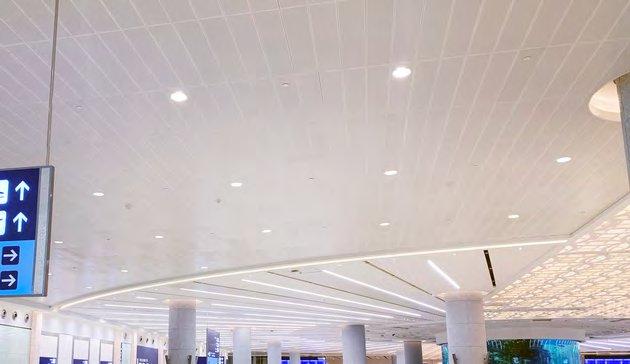
Perforated Metal Tiles
A fusion of style and practicality — a sleek metal surface with precision-engineered perforations, an ideal choice for modern interiors.
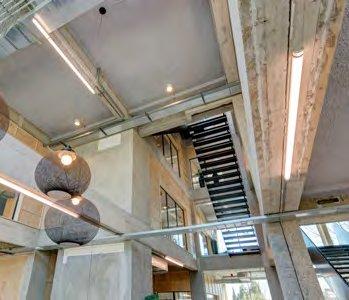
K13 Acoustic Spray-On System
A thermal and acoustic cellulose insulation used for its dual benefits. This monolithic coating absorbs excess noise and provides an R-value of 3.7 per inch, with a natural texture.
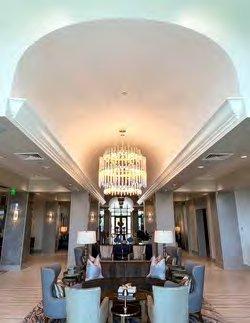
Asona Acoustic Plaster
A panel of specially designed glued fibres, 1/2 to 2.5 inches thick, usually bonded to drywall or another rigid substrate and finished with acoustically transparent plaster for excellent broadband absorption.
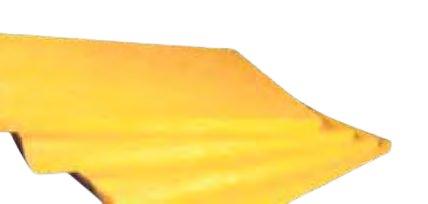
Fiberglass Board Insulation
Made of fine, uniform inorganic glass fibres bonded with a fire-retardant, heat-resistant resin. Semi-rigid rectangular boards free from coarse fibres and impurities, for thermal and acoustic insulation.
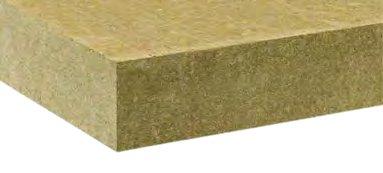
Rockwool Insulation Board
Semi-rigid mineral wool made from molten rock spun into fibres (EN 13162, MW). Excellent thermal, acoustic and fire protection, with a production process that avoids fossil fuels.
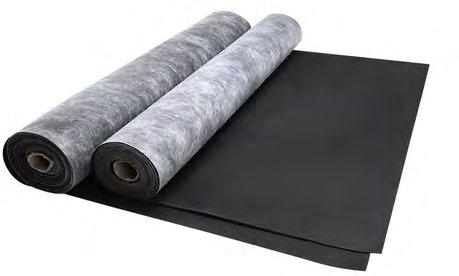
ISOLFON Barrier
High-performance, flexible, mass-loaded noise barrier with superior transmission loss, made from non-reinforced composite polymers with lead-free metals and bitumen fillers. Provides comfort, privacy and protection from external noise in existing structures.
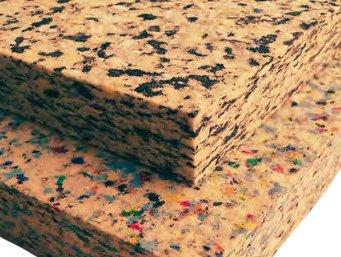
ISOLFON ReBond
A complex material for sound absorption, soundproofing and impact-noise insulation, made from recycled flexible polyurethane foams bonded with polyurethane glue.
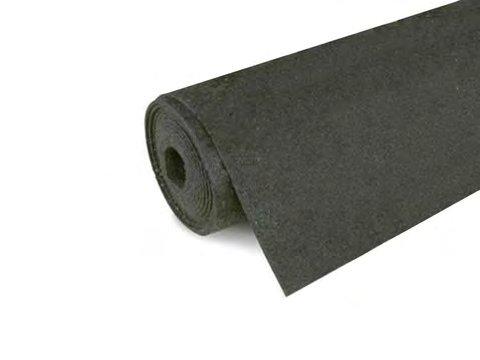
ISOLFON ReRub
Recycled rubber sheets made from recycled elastomeric compounds bonded with polyurethane glue — combining heavy surface mass, excellent elasticity and the viscoelastic reaction of compressed elastic particles.
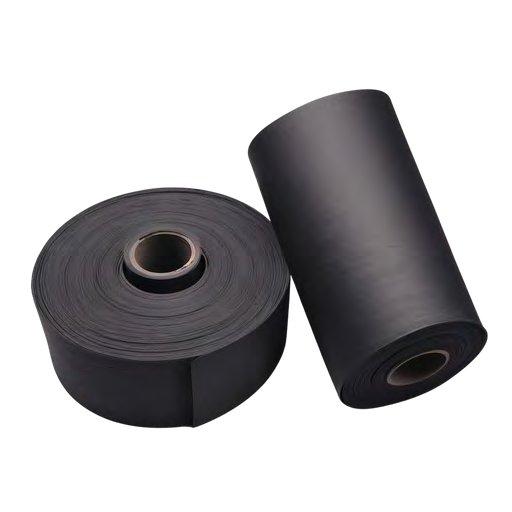
ISOLFON FF
Closed-cell foam for impact-sound insulation in floating concrete floors. Cross-linked expanded polyethylene (≈28 kg/m³) in rolled sheet form with excellent deflection and rebound for cost-sensitive projects.
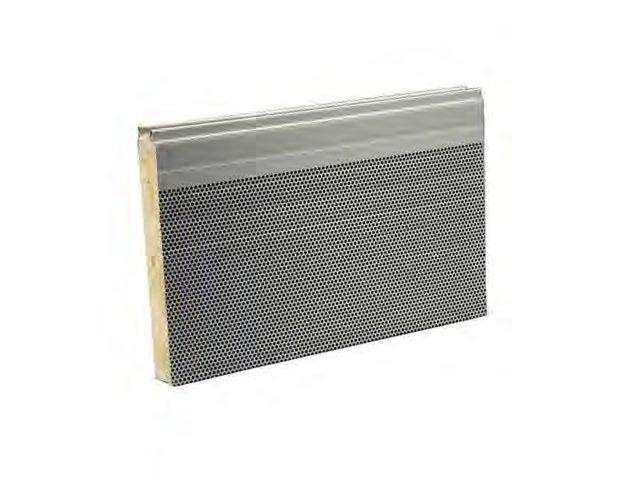
Metal Noise Barrier
A galvanised metal sheet on the exterior and a perforated metal sheet on the interior, filled with water-repellent acoustic fibres. Durable against time and UV radiation, made of incombustible materials, and easy to replace.
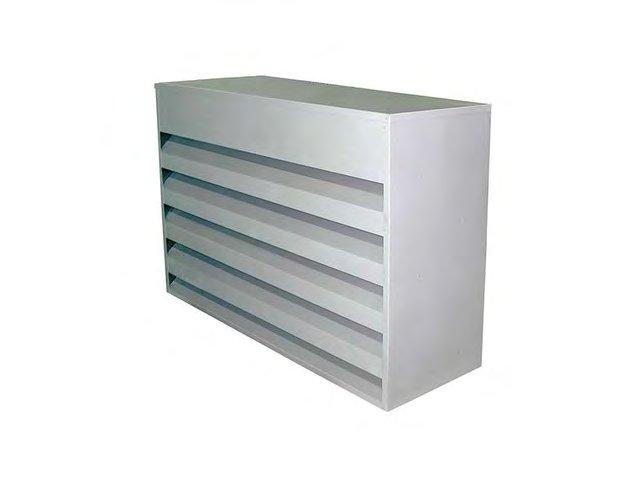
Acoustic Louver
Semi-aerodynamic horizontal sound-absorptive inclined blades, scientifically designed to combine low pressure drop, rain protection and enhanced sound reduction. Available in galvanised steel, aluminium or stainless steel.
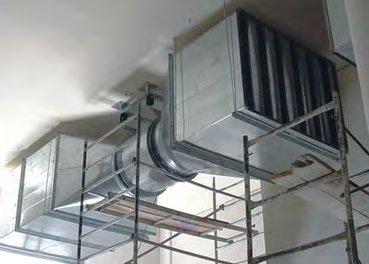
Sound Attenuators
Used in air-duct installations requiring noise reduction and low pressure drop. They reduce noise in workplaces, households and other buildings, as well as noise emitted to the environment.
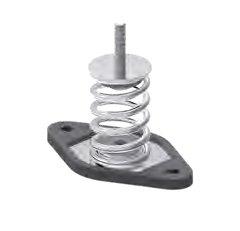
Anti-Vibration Spring Mounts
Free-standing and restrained spring mounts for low-frequency vibration control (400 rpm and up) in compressors, two-cycle engines, chillers, coolers and air-handling units. Springs meet ISO EN 10270.
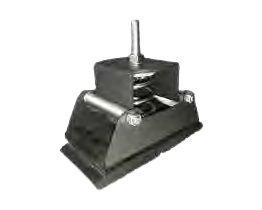
Anti-Vibration Rubber Mounts
Rubber and metal bonded mounts for absorbing vibration from air-handling units, pumps, compressors, ventilators and lifts. Rubber-lined top and bottom surfaces increase friction and minimise slipping.
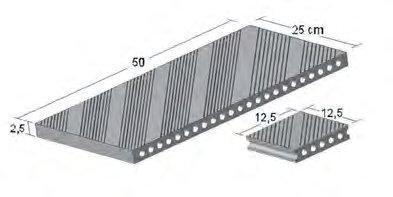
Vibro-EP Anti-Vibration Rubber Pads
Pads for vibration and noise mitigation, developed through specialised research since 1989 from high-quality elastomeric material. Longitudinal holes increase compression/deflection and improve vibration absorption.
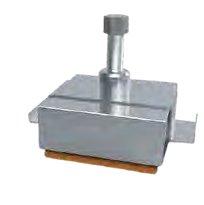
Jack-Up Mounts for Floating Floors
Advanced vibration-control mounts for raised concrete floating floors. A metal shell housing a Regufoam elastomer or a spring prevents contact between the poured concrete and the supporting floor, eliminating sound bridges.
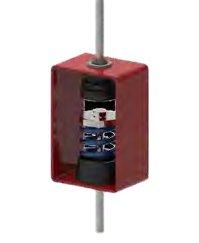
Anti-Vibration Hangers
Hangers for isolating suspended pipes, ducts and false ceilings — in rubber + spring, spring (false-ceiling) and multiform rubber versions.
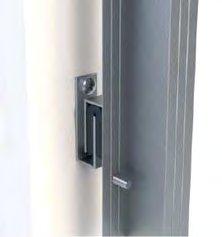
Anti-Vibration Wall Connection & Brace
Connections and braces that enhance the structural integrity of long, tall gypsum-board walls mounted on anti-vibration pads or floating floors, preventing direct contact between double walls and wall buckling during earthquakes.
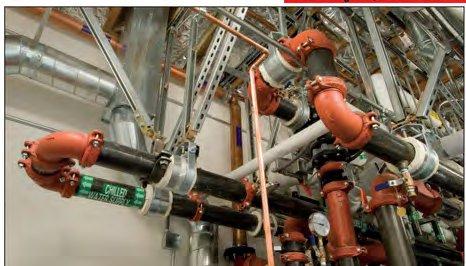
Seismic Restraint
UL-certified seismic restraints that reduce the impact of earthquakes on mechanical pipes and equipment, and protect fire-protection systems, machines, ducts and pipes so the building keeps operating.